Custom Web Design vs. Template-Based Solutions
Most websites are built on templates. A template gives you a prebuilt structure with fixed layouts, preset navigation patterns, and limited flexibility. You fit your company into it. For businesses with simple offerings and short sales cycles, that tradeoff is often acceptable. Manufacturing companies rarely fit that description.
Your buyers are technical. They need detailed product specifications, application data, and clear answers to complex questions before they consider reaching out. Your product lines may span hundreds of SKUs. Your sales cycle can stretch months. A template built for a retail brand or a SaaS startup was not designed with any of that in mind.
Custom web design starts from a different premise entirely. Instead of fitting your company into a prebuilt structure, the site is built around your buyers, your products, and the decisions they need to make before they contact you. Every page, every navigation path, and every call to action is designed to serve that specific purpose.
For manufacturers, the difference is not cosmetic. A site that fails to present your capabilities clearly, answer buyer questions at the right moment, or surface your products in search costs you leads. Custom web design for manufacturing companies is about building a site that works as hard as the products you sell.
Why Manufacturing Companies Need Custom Web Design
A generic website can adequately represent many businesses. Manufacturing companies are rarely among them.
The informational demands of a manufacturing website are unlike those of most industries. Buyers expect detailed product specifications, certifications, material data, application examples, and compliance information, all organized in a way that makes their evaluation easier, not harder. Template structures were not built to carry that weight. Content gets shoehorned into formats that were never designed for it, and the result is a site that technically has the information but makes it difficult to find or trust.
Navigation compounds the problem. Many manufacturers arrive at a redesign with years of accumulated content, product lines, industries served, technical resources, and case studies spread across a site that was never structured to hold it. Without navigation designed around the specific types of pages a manufacturing website requires, buyers get lost. An engineer looking for tolerances and a procurement manager evaluating supplier credentials are on different paths through the same site. Custom navigation is designed around both.
The buyer journey adds another layer of complexity. Industrial purchases involve multiple stakeholders, long evaluation periods, and several touchpoints before anyone picks up the phone. A custom site is built to support that entire journey, giving each type of buyer the information they need at each stage, rather than pushing everyone toward a single generic call to action.
First impressions carry particular weight in this industry. Many buyers visit a manufacturer’s website before agreeing to a sales call. If the site does not reflect the quality and capability of what you actually produce, you may lose that conversation before it starts. Custom web design ensures that what buyers see online matches what you deliver in the field.
Why Manufacturers Choose Lform for Custom Web Design
Most web design agencies work across industries. One week, they are building a site for a restaurant, the next for a law firm, the next for a manufacturer. Every project requires them to learn a new audience, a new buying process, and a new set of content requirements from scratch.
Lform works exclusively with manufacturers and B2B industrial companies. We have done this since 2005. The manufacturers we work with produce everything from metal powders to industrial chain systems to specialty roofing materials. The products differ. The complexity does not.
Across every manufacturing project we take on, the same fundamentals apply. Technical buyers who need detailed information before they engage. Long sales cycles involving multiple stakeholders. Product lines that require careful organization to be navigable. A website that needs to earn credibility before a sales call ever happens. We understand that world, and we build for it.
That focus compounds over time. Every project we take on adds to a body of knowledge that we bring to the next one. Hundreds of manufacturer clients across the United States have trusted us to build sites that generate qualified leads, rank for competitive search terms, and represent their capabilities accurately online.
The results speak for themselves. Our Before & After portfolio shows exactly what that combination of manufacturing focus and design expertise produces in practice.
What Good Manufacturing Web Design Includes
Good custom web design is measured by how well it serves the people using it and the business behind it. For manufacturing companies, that means every design decision needs to serve a specific purpose. Here is what that looks like in practice.
Brand Consistency and Visual Credibility
In manufacturing, credibility is everything. Before a buyer submits an RFQ or agrees to a conversation with your sales team, they have already formed an opinion about your company based on what they saw online. A site that looks inconsistent, dated, or disconnected from the quality of your actual products undermines that first impression before you have a chance to make your case.
Good manufacturing web design starts with a visual language that reflects who you are. Typography, color, imagery, and layout tell buyers whether you are the kind of company they want to do business with. That visual language needs to stay consistent across every page, from your homepage to your most detailed product specification sheet.
Page Depth and Information Architecture
Manufacturing buyers do their homework. By the time they contact a supplier, they have typically already evaluated several options, compared specifications, and formed a shortlist. Your website needs to support that research process, not cut it short.
That means product pages with the depth buyers actually need. Specifications, tolerances, certifications, application data, downloadable resources. It also means an information architecture that makes all of that findable. Content that exists but cannot be located is content that does not convert. A well-structured manufacturing site organizes information around how buyers think and what they need at each stage of their evaluation, not around how the company is internally organized.
SEO-friendly Web Design
A manufacturing website that cannot be found in search is not working as hard as it should. SEO is not something that gets layered onto a site after it launches. It gets built into the structure from the start, through page hierarchy, URL structure, internal linking, and content organization that search engines can read and rank effectively.
Lform’s web design process integrates SEO and AEO considerations from the earliest stages of a project, ensuring that the site is positioned to generate organic visibility from day one. For manufacturers looking to go deeper on search performance, our SEO services for manufacturers cover what that looks like beyond the design phase.
Mobile and Responsive Design
Manufacturing buyers increasingly do their initial research on mobile devices. Engineers on job sites, purchasing managers between meetings, executives reviewing options outside the office. A site that performs well on desktop but breaks down on a phone or tablet loses those visitors before they ever reach your product pages.
Responsive design ensures your site works correctly across every screen size, without compromising the depth of information that manufacturing buyers need. Every Lform site is built to perform on any device, from the office workstation to the shop floor tablet.
The Lform Approach to Custom Manufacturing Web Design
Every custom web design project at Lform follows a structured process built around one goal: a site that works for your buyers and generates results for your business. Here is how that process unfolds.
It starts with a discovery meeting. Before any research or design work begins, we sit down with you to understand your business, your market, and your goals. We look at your current site together, discuss what is working and what is not, and review your key industry competitors. That conversation shapes everything that follows.
From there, we conduct a content hierarchy study. We analyze what your target buyers need to find on your site, what your strongest competitors are doing well, and how that maps to your own products, services, and capabilities. The goal is to define what belongs on the site and how it should be organized before a single design decision is made.
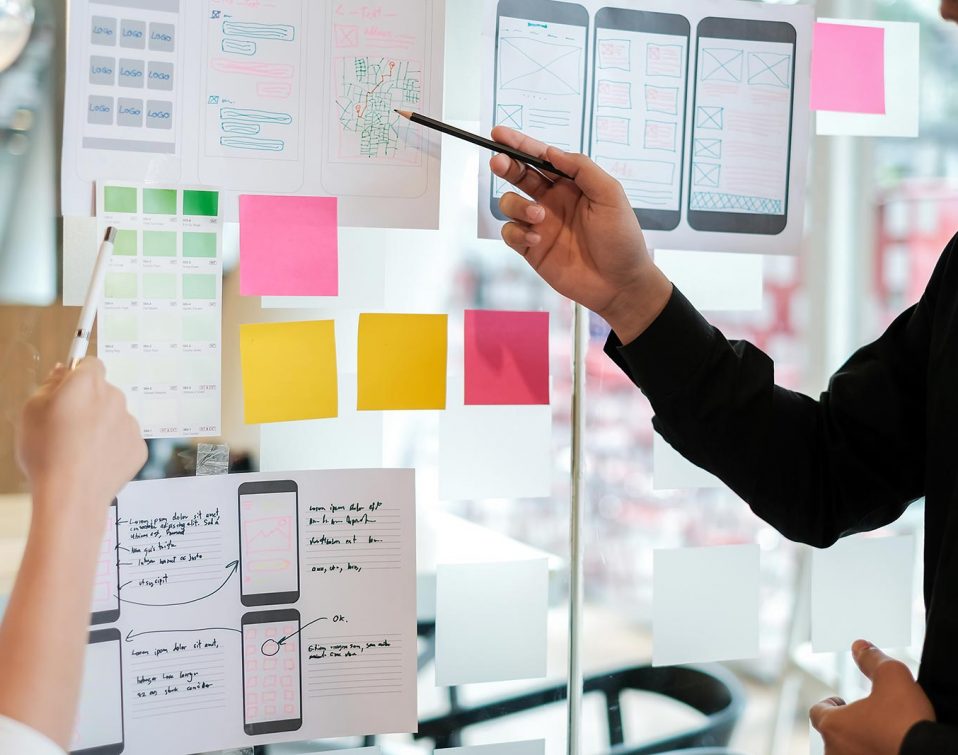
With that foundation in place, we move into wireframing. This is where the structure of the site takes shape. Every page layout, navigation path, and content section gets mapped out in detail, giving you a clear picture of how the site will work before we invest in visual design.
Once the wireframes are approved, we build a UX prototype. This is a high-fidelity, interactive version of the site that lets you experience navigation, page transitions, and interactive elements as a real user would. It is the closest thing to the finished site before development begins, and it is where most structural decisions get finalized.
Only once the prototype is signed off do we proceed to development. At that stage, the design is defined, the structure is approved, and the build can move forward with clarity and precision.
Custom Web Design for Manufacturers in Practice
The best way to understand what custom web design produces for manufacturing companies is to see it. Here are two examples of manufacturers Lform has worked with and what their projects required.
Hockmeyer Equipment Corp.
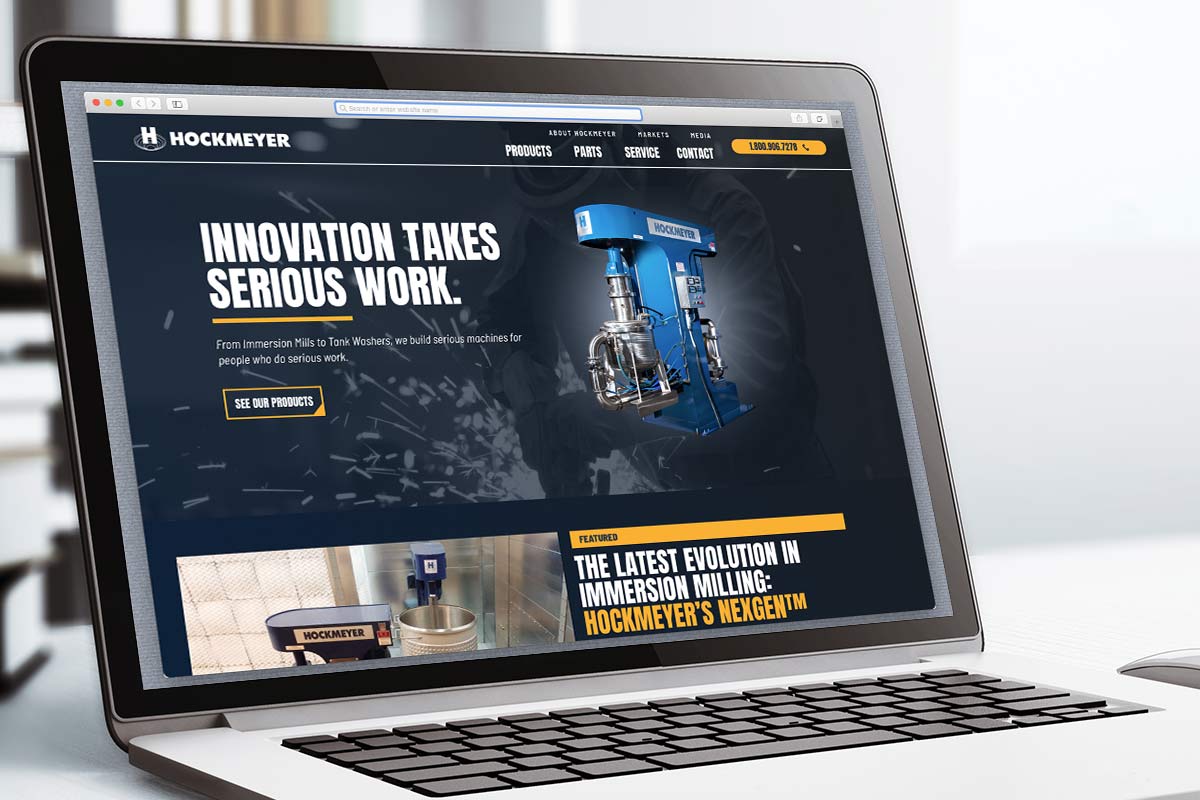
Hockmeyer is a leading manufacturer of milling technology, a company whose brand name has become synonymous with the product itself in its industry. The credibility was there, but the website was not keeping up. They needed a site that positioned them as the industry pioneers they are, improved the user experience for prospective clients evaluating their equipment, and drove qualified inquiries to their sales team.
Because every Hockmeyer machine is custom-built for the client, the site could not rely on a traditional product catalog. Instead, Lform designed around the company’s people, its service philosophy, and its brand identity, building a site engineered to generate conversations rather than transactions. The result is a site that communicates Hockmeyer’s authority clearly and moves buyers toward contact.
Atlantic Equipment Engineers
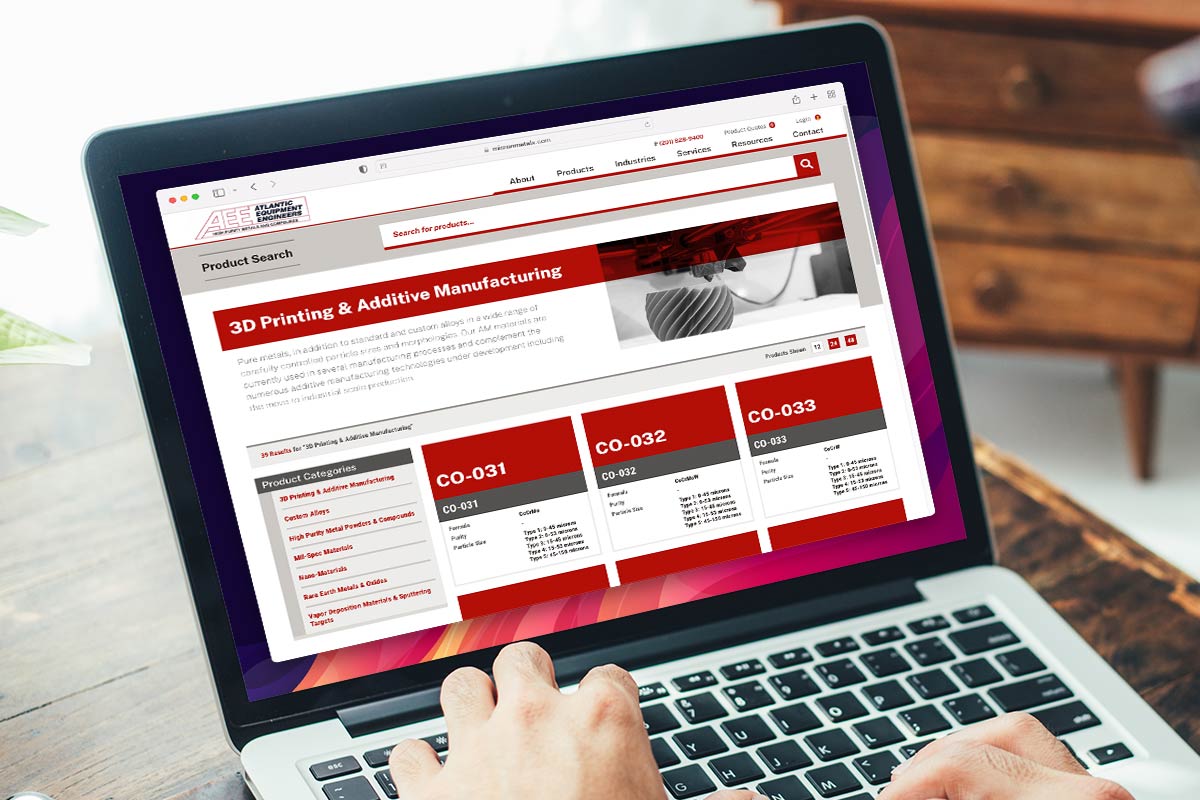
Atlantic Equipment Engineers is a family-owned supplier of high-purity metals and metal compounds serving industrial and military markets. With an extensive product catalog spanning more than twenty target industries, their primary need was a site that made a large, complex inventory navigable for busy technical buyers evaluating specific product requirements.
Lform designed a clean, minimalist site built around a detailed cataloging system and a prominent search function, giving buyers a direct path to the products and specifications they needed. The project also included a custom quote request flow and SEO work across Atlantic’s full product and industry page structure, producing a significant increase in traffic from organic search.
For more examples of Lform’s work with manufacturers across the United States, visit our Case Studies portfolio.
Ready to Build a Manufacturing Website That Works as Hard as You Do
A custom website built around your buyers, your products, and your sales process is one of the most effective investments a manufacturing company can make in its digital presence. If you are ready to find out what that looks like for your business, we would love to talk.
Schedule a Needs Assessment
Frequently Asked Questions About Custom Web Design for Manufacturing Companies
What is custom web design?
Custom web design is the process of building a website from the ground up, designed specifically around your company, your audience, and your goals. Unlike template-based solutions that fit your business into a prebuilt structure, a custom site is built around how your buyers think, what they need to find, and what actions you want them to take. For manufacturing companies, that means a site engineered around technical buyers, complex product lines, and long sales cycles.
My manufacturing product pages should contain tables with specs. Can you make that happen?
Yes. Specification tables are a standard requirement for manufacturing websites and a core part of how we approach product page design. We build product pages with the depth and structure that technical buyers expect, including specifications, tolerances, certifications, and downloadable resources, formatted for easy reading and navigation across devices.
My manufacturing website is not receiving leads. How can you help?
Low lead volume on a manufacturing website is rarely a single problem. It is usually a combination of factors: unclear page structure, weak calls to action, poor search visibility, or content that does not match what buyers are actually looking for. Custom web design only addresses part of that equation. For manufacturers who also need to improve their organic visibility and attract more qualified traffic, our SEO services cover what that looks like beyond the design phase.
How is a manufacturing website different from a general B2B website?
Manufacturing websites carry a level of informational complexity that most B2B websites do not. Technical buyers need detailed product specifications, certifications, application data, and industry-specific content before they consider reaching out. The sales cycle is longer, the number of decision-makers is higher, and the stakes of a poor first impression are greater. A manufacturing website needs to be designed with all of that in mind, not adapted from a general B2B template after the fact.
Will my new website work with my existing product catalog?
In most cases, yes. During our discovery process, we assess your existing content, including your product catalog, and determine the best way to structure and present it on the new site. Whether your catalog lives in a spreadsheet, an ERP system, or an outdated CMS, we work with what you have and build a structure around it that serves your buyers and supports your sales process.
What happens to my website after it launches?
The website belongs entirely to you. Once the project is complete, you will have full ownership of everything we built. Lform is available after launch for ongoing maintenance, future feature additions, and SEO services if you want continued support, but that is entirely your call. There are no obligations beyond the project itself.
How much does custom web design cost for a manufacturer?
The cost of a custom web design project depends on the scope, the complexity of your product lines, the number of pages required, and the integrations involved. Because every manufacturing company is different, we do not apply a one-size-fits-all price. The best way to get an accurate picture of what your project would involve is to schedule a needs assessment with our team.
Do I need to redesign my entire website, or can you redesign just parts of it?
In certain cases, a partial redesign is possible and makes sense. If the underlying structure of your site is sound and the issues are isolated to specific pages or sections, we can work within that scope. That said, when the problems run deeper, such as outdated information architecture, navigation that does not serve your buyers, or a structure that was never built for manufacturing content, addressing only part of the site risks treating symptoms rather than the root problem. A full redesign is often the more protective investment in the long run. If you are unsure which applies to your situation, a needs assessment is the right place to start.
Can Lform help with content for the new website?
Yes. Content strategy and copywriting are part of how we approach custom web design projects for manufacturers. A well-designed site built around weak or generic content will not perform the way it should. We work with you to ensure that the content on your new site reflects your capabilities accurately, speaks to your buyers at each stage of their evaluation, and is structured to support search visibility from launch. For manufacturers who want to go further with content and organic search performance, our organic search services cover that in depth.